
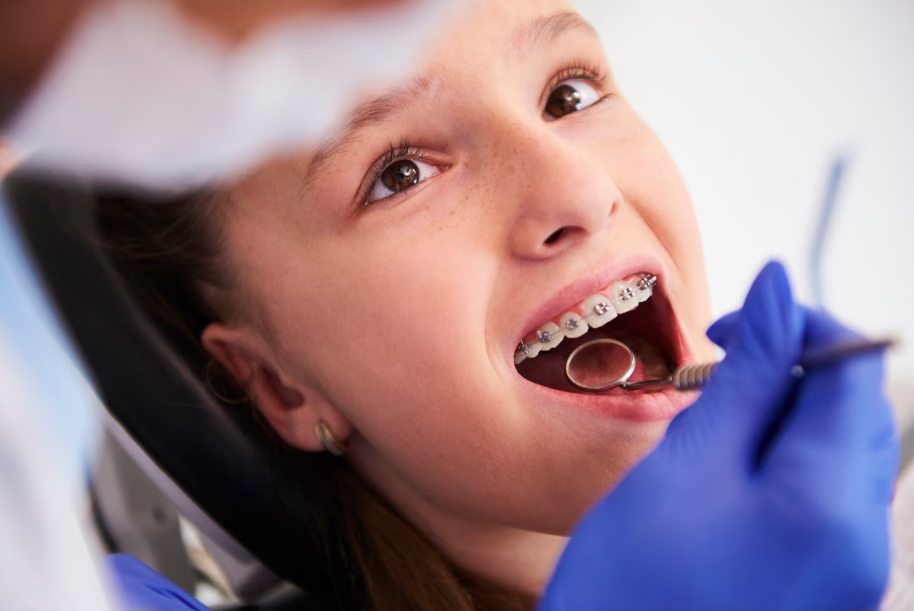
If your jaw feels off, your bite never feels right, or your smile makes you feel shy, you are not alone. Many people live with jaw problems for years without knowing there is a real solution. Orthognathic surgery is not only about looks. It is about comfort, health, and confidence in daily life.
Under the care of Dr. Alberto Wintergerst, patients learn that jaw correction can improve eating, speaking, breathing, and smiling. Let us walk through who actually needs this surgery and the signs you should never ignore.
First, What Is Orthognathic Surgery?
Orthognathic surgery means surgery that corrects jaw alignment. When the upper jaw, lower jaw, or both are not in the right position, daily activities become harder than they should be.
This treatment is often combined with Orthognathic Surgery Braces to guide the teeth into the right place before and after surgery. Dr. Alberto Wintergerst carefully plans both steps together so the jaw and teeth work as one healthy system.
1. When Your Bite Feels Wrong Every Single Day
A bad bite is one of the most common reasons people need jaw surgery. You may feel it when chewing, talking, or even resting your mouth.
Over time, a wrong bite puts stress on your teeth, jaw joints, and facial muscles. This is where Orthognathic Surgery Braces become important because braces alone cannot fix jaw bone problems.
Signs to notice include:
- Trouble biting into food evenly
- Teeth that never touch properly
- Jaw shifting when you close your mouth
If these feel familiar, Dr. Alberto often explains that surgery corrects the root cause, not just the symptoms.
2. Jaw Pain and Headaches That Do Not Go Away
Jaw pain is not always about stress or teeth grinding. Many people live with constant pain without knowing their jaw position is the real issue.
When jaws are misaligned, muscles work harder than they should. This can lead to daily headaches, neck pain, and sore jaws. Orthognathic Surgery Braces are often part of treatment to relieve this pressure long term.
Common pain-related signs include:
- Clicking or popping in the jaw
- Facial soreness after eating
- Headaches that start near the ears
Dr. Alberto focuses on aligning the jaw properly so pain relief feels natural, not forced.
3. Struggling With a Gummy Smile That Affects Confidence
A gummy smile can be more than a cosmetic concern. When too much gum shows, it is often due to upper jaw position, not just teeth length.
Orthognathic Surgery corrects the jaw itself, creating balance between teeth, gums, and lips. This approach gives long-lasting results instead of short-term fixes.
You may need Gummy Smile Orthognathic Surgery if:
- Gums show too much when smiling
- Lips struggle to close naturally
- Smiling feels uncomfortable or forced
4. Breathing Problems and Sleep Issues You Should Not Ignore
Jaw position plays a big role in breathing, especially during sleep. Some people struggle with snoring or sleep apnea because their jaws narrow the airway.
Correcting jaw alignment can open the airway and improve oxygen flow. Orthognathic Surgery Braces help guide teeth while surgery improves breathing space.
Warning signs include:
- Loud snoring
- Mouth breathing during sleep
- Feeling tired even after rest
Dr. Alberto carefully evaluates breathing issues during planning because better sleep changes overall health.
5. Speech Difficulties That Make Talking Harder
Speech problems are not always about the tongue. Jaw misalignment can affect how sounds are formed.
People may struggle with certain letters or feel their speech sounds unclear. Orthognathic Surgery Braces combined with surgery help align the jaw so speech improves naturally.
Signs related to speech include:
- Lisping or unclear pronunciation
- Jaw fatigue while talking
- Feeling self-conscious when speaking
6. When Braces Alone Are Not Enough
Braces are powerful, but they cannot move jaw bones. Many patients wear braces for years without full improvement because the real problem lies deeper.
Orthognathic Surgery Braces work together with surgery to fix both teeth and bone alignment. This combined approach creates stable and lasting results.
You may need surgery if:
- Braces improved teeth but not the bite
- Your face still feels unbalanced
- Chewing remains difficult
7. Facial Imbalance That Affects Daily Confidence
Facial balance is not about perfection. It is about harmony. When jaws are uneven, the face can look tired, strained, or asymmetrical.
Gummy Smile Orthognathic Surgery often plays a role when the upper jaw position affects facial proportions. Correcting the jaw brings natural balance back.
Look for signs like:
- One side of the face looks longer
- Chin feels too far back or forward
- Smile looks uneven in photos
Teens and Adults Can Both Need This Surgery
Orthognathic surgery is not only for one age group. Teens with growth-related jaw issues and adults with long-standing problems both benefit.
Orthognathic Surgery Braces are adjusted based on age, growth, and bone structure. Treatment is always personalized, never rushed.
Why Expertise Matters in Jaw Surgery
Jaw surgery is complex. It involves bones, nerves, teeth, muscles, and facial balance. Choosing the right specialist makes a real difference. Dr. Alberto brings surgical precision and clear communication, helping patients feel informed and calm at every step. His approach keeps results functional and natural.
Outcome:
Choosing the right specialist makes all the difference in orthognathic surgery outcomes. With over two decades of hands-on experience, Dr. Alberto Wintergerst is trusted for precise diagnosis, thoughtful planning, and life-changing results. His patient-focused approach ensures every jaw correction supports comfort, function, and natural facial harmony.
If you are noticing signs you should not ignore, now is the right time. Schedule a consultation with him and take the first step toward lasting confidence and better daily living.
FAQs
What is orthognathic surgery and why is it needed?
Orthognathic surgery corrects jaw alignment to improve chewing, speech, breathing, facial balance, and long-term oral health and comfort for patients.
Why are braces used with orthognathic surgery?
Braces align teeth, but surgery repositions jaw bones, making Orthognathic Surgery Braces essential when bite problems are skeletal in nature.
When is gummy smile orthognathic surgery recommended?
Gummy Smile Orthognathic Surgery is needed when excess gum show comes from upper jaw position, not tooth size alone cases.
Can jaw problems cause headaches and facial pain?
Jaw misalignment strains muscles and joints, causing chronic pain and headaches that orthognathic surgery can permanently relieve for many patients.
Does orthognathic surgery help with breathing or sleep issues?
Jaw surgery can open airways, reduce snoring, and improve sleep quality when breathing problems are linked to jaw position issues.
Who is a good age candidate for orthognathic surgery?
Both teens and adults can need orthognathic surgery, depending on jaw growth, symptoms, and how daily life is affected functionally.
How long does recovery from orthognathic surgery usually take?
Most patients return to normal routines within weeks, while full bone healing continues gradually under professional guidance from specialists involved.
Why should a maxillofacial surgeon perform this surgery?
An experienced maxillofacial surgeon ensures safe planning, accurate results, proper healing, and balanced facial outcomes for long-term health, function, confidence.

